
Facial Laser Resurfacing: Key Things to Consider Before Treatment
Facial skin is constantly exposed to sunlight, weather conditions, pollution, and everyday stress. Over time, these factors can contribute to changes in texture, tone, and overall appearance. A healthy skincare routine can help protect the complexion, but some people also consider professional procedures when they want to address specific cosmetic concerns. Facial laser resurfacing is one option that uses controlled laser energy to target selected areas of the skin. Coolaser Clinic offers professional aesthetic treatments based on individual skin characteristics and personal cosmetic goals.
Why People Explore Professional Skin Procedures
Skincare products can provide important daily support, but they do not work in exactly the same way as professional treatments. Someone dealing with uneven texture or visible signs of sun exposure may eventually look for additional options.
Professional procedures can be designed to target specific concerns while taking into account the patient’s skin condition and desired outcome. Laser-based procedures are among the technologies used in modern aesthetic care.
Before choosing any procedure, it is useful to understand how it works, what it can realistically address, and what recovery may involve.
What Happens During Laser Resurfacing?
Laser resurfacing uses focused light energy to create controlled effects in the skin. The exact effect depends on the laser technology and the settings selected by the provider.
Some procedures affect the outer layer of the skin, while others deliver energy deeper into the tissue. Fractional approaches create microscopic treatment areas rather than treating the entire surface in the same way.
The controlled nature of these procedures allows professionals to adjust the treatment according to the patient’s needs.
Which Concerns Can Be Addressed?
Depending on the technology, facial laser resurfacing may be considered for several common cosmetic concerns.
These can include:
- Uneven skin texture
- Fine lines
- Certain pigmentation changes
- Sun-related skin damage
- Acne scars
- Rough-looking skin
- Dull or uneven complexion
The procedure is not appropriate for every concern. A professional evaluation can help determine whether laser resurfacing is likely to be useful or whether another approach would be more suitable.
The Difference Between Treatment Intensity Levels
Laser procedures can vary considerably in intensity. Some treatments are relatively gentle and may require limited recovery, while others produce more significant changes in the surface of the skin.
Ablative procedures affect the outer layer more directly and may involve a longer recovery period. Nonablative procedures generally leave more of the surface intact and may have less downtime.
Fractional technology provides another approach by treating microscopic areas while preserving surrounding tissue.
The right option depends on the condition being addressed, the patient’s goals, and the amount of recovery time they can accommodate.
Why Your Skin Type Matters
Skin characteristics can influence how a person responds to laser treatment. Skin tone, sensitivity, previous procedures, and current skincare habits can all be relevant during treatment planning.
For this reason, facial laser resurfacing should begin with a professional assessment rather than a one-size-fits-all treatment plan.
During a consultation, the provider can examine the skin, discuss concerns, review relevant history, and explain which options may be appropriate.
Preparing for Your Treatment
Preparation can vary depending on the selected procedure. A provider may recommend avoiding certain skincare ingredients or temporarily changing the usual skincare routine.
Sun exposure is another important consideration. Patients may be advised to limit prolonged direct sunlight before treatment and use appropriate protection.
It is also important to disclose recent cosmetic procedures, medications, and products used on the face. This information can help the provider plan treatment more appropriately.
Following preparation instructions carefully can help reduce unnecessary irritation before the appointment.
What Can You Expect During the Procedure?
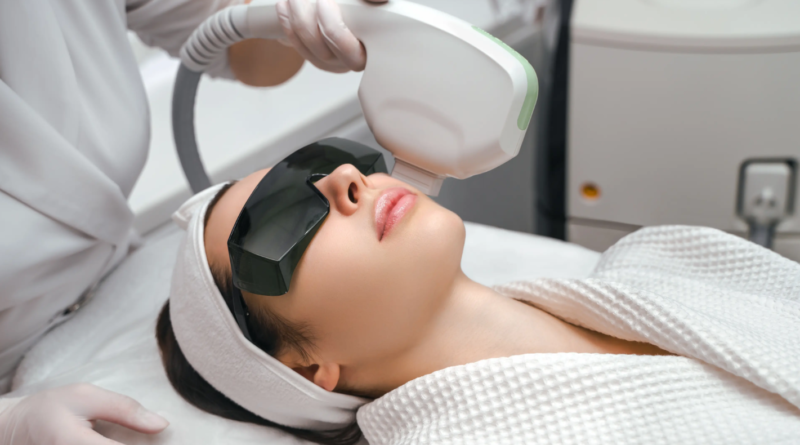
The treatment area is generally prepared before the laser is applied. Depending on the procedure, a topical anesthetic or another comfort measure may be used.
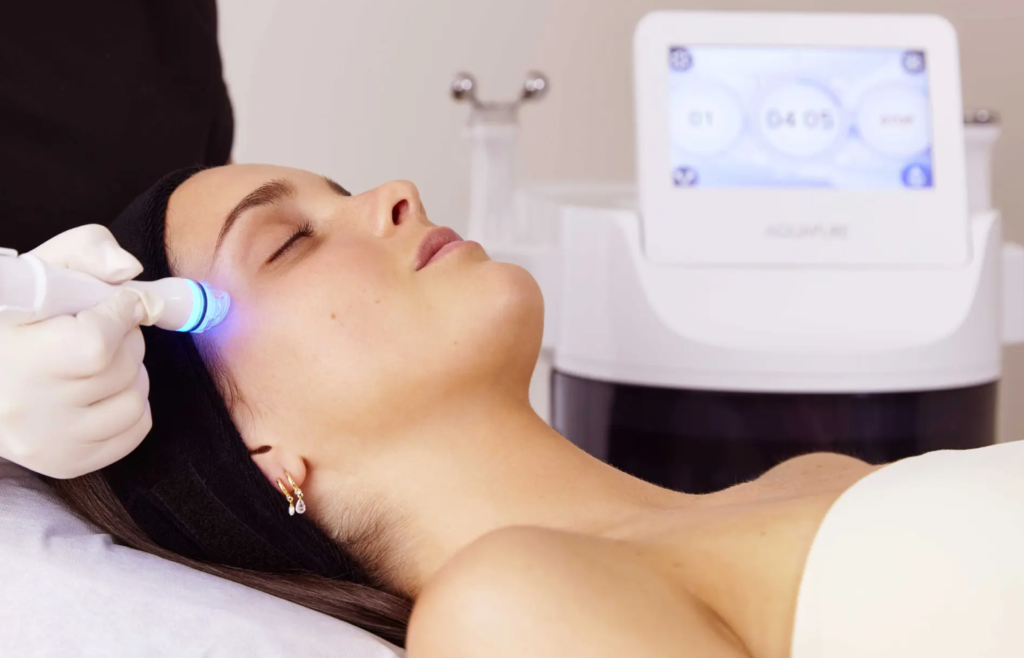
During the session, the laser delivers controlled energy to the selected areas. Patients may experience warmth, tingling, or temporary discomfort.
The length of the appointment depends on the treatment area and technology. Smaller areas may take less time, while more extensive procedures require a longer session.
A provider should explain the process and expected sensations before treatment begins.
Recovery Should Be Considered in Advance
One of the biggest differences between laser procedures is the amount of downtime involved. Mild treatments may produce temporary redness or sensitivity, while more intensive procedures can cause peeling, swelling, and noticeable redness.
Recovery time should therefore be considered when scheduling treatment. People with important events, travel, or demanding work commitments may want to plan their procedure accordingly.
During the healing period, the treated skin should be handled gently and cared for according to professional instructions.
Aftercare and Skin Protection
Proper aftercare is an important part of the treatment process. Depending on the procedure, patients may receive recommendations for gentle cleansing, moisturization, and temporary changes to their skincare routine.
The skin should not be aggressively exfoliated or exposed to unnecessary irritation while it is recovering.
Sun protection is particularly important. Recently treated skin can be more sensitive to ultraviolet exposure, so sunscreen and other protective measures may be recommended.
How Results Develop
Results can appear at different times depending on the technology and treatment intensity. Some changes may become visible after the initial recovery period, while other improvements can develop gradually.
The number of sessions also varies. Some people may need only one treatment, while others may benefit from several sessions.
Individual healing and skin characteristics can influence the timeline, so patients should discuss expected results with their provider instead of relying on generalized treatment claims.
Maintaining the Skin After Treatment
A professional procedure should be considered part of a broader skincare strategy. Once the skin has recovered, everyday habits can continue to support the appearance of the complexion.
A basic routine may include:
- Gentle cleansing
- Moisturizing
- Daily sunscreen
- Appropriate skincare products
- Regular professional assessments when needed
Consistent sun protection is particularly useful for maintaining healthy-looking skin over time.
Choosing a Qualified Provider
Selecting an experienced aesthetic provider is an important part of the process. Patients should feel comfortable asking questions about the laser technology, treatment intensity, expected recovery, possible side effects, and aftercare.
A good consultation should also allow enough time to discuss personal goals and determine whether the procedure is appropriate.
Rather than focusing only on promotional claims, patients can use the consultation to understand the actual treatment process and establish realistic expectations.
Final Thoughts
Facial laser resurfacing offers a professional approach for people interested in improving selected aspects of their complexion. Depending on the technology, treatment can address concerns involving texture, fine lines, pigmentation, acne scars, and visible sun-related changes.
However, laser procedures vary considerably in intensity and recovery requirements. Individual skin characteristics and treatment goals should therefore guide the choice of procedure.
With professional planning, appropriate aftercare, consistent sun protection, and a suitable daily skincare routine, laser resurfacing can become part of a thoughtful approach to maintaining a smoother and refreshed-looking complexion.